Global Treatment Services Pvt. Ltd.

Global Treatment Services

Brachytherapy: Advantages & Treatments

Brachytherapy is a form of radiotherapy where a radiation source is placed inside or next to the area requiring treatment. Brachytherapy is commonly used as an effective treatment for cervical, prostate, breast, and skin cancer and can also be used to treat tumours in many other body sites.

Brachytherapy can be used alone or in combination with other therapies such as surgery, External Beam Radiotherapy (EBRT) and chemotherapy.

A course of brachytherapy can be completed in less time than other radiotherapy techniques. This can help reduce the chance of surviving cancer cells dividing and growing in the intervals between each radiotherapy dose. Patients typically have to make fewer visits to the radiotherapy clinic compared with EBRT, and the treatment is often performed on an outpatient basis. This makes treatment accessible and convenient for many patients. These features of brachytherapy reflect that most patients are able to tolerate the brachytherapy procedure very well.

Brachytherapy represents an effective treatment option for many types of cancer. Treatment results have demonstrated that the cancer cure rates of brachytherapy are either comparable to surgery and EBRT, or are improved when used in combination with these techniques. In addition, brachytherapy is associated with a low risk of serious adverse side effects.

Types of Brachytheraphy

Different types of brachytherapy can be defined according to

  • The placement of the radiation sources in the target treatment area
  • The rate or ‘intensity’ of the irradiation dose delivered to the tumour,
  • The duration of dose delivery

Source placement

The two main types of brachytherapy treatment in terms of the placement of the radioactive source are interstitial and contact.

  • In the case of interstitial brachytherapy, the sources are placed directly in the target tissue of the affected site, such as the prostate or breast.
  • Contact brachytherapy involves placement of the radiation source in a space next to the target tissue. This space may be a body cavity (intracavitary brachytherapy) such as the cervix, uterus or vagina; a body lumen (intraluminal brachytherapy) such as the trachea or oesophagus; or externally (surface brachytherapy) such as the skin. A radiation source can also be placed in blood vessels (intravascular brachytherapy) for the treatment of coronary in-stent restenosis.

Dose rate

  • Medium-dose rate (MDR) brachytherapy is characterized by a medium rate of dose delivery, ranging between 2 Gy·h−1 to 12 Gy·h−1.
  • High-dose rate (HDR) brachytherapy is when the rate of dose delivery exceeds 12 Gy·h−1. The most common applications of HDR brachytherapy are in tumours of the cervix, esophagus, lungs, breasts and prostate. Most HDR treatments are performed on an outpatient basis, but this is dependent on the treatment site.

Duration of dose delivery

The placement of radiation sources in the target area can be temporary or permanent.

  • Temporary brachytherapy involves placement of radiation sources for a set duration before being withdrawn. The specific treatment duration will depend on many different factors, including the required rate of dose delivery and the type, size and location of the cancer. In LDR and PDR brachytherapy, the source typically stays in place up to 24 hours before being removed, while in HDR brachytherapy this time is typically a few minutes.
  • Permanent brachytherapy, also known as seed implantation, involves placing small LDR radioactive seeds or pellets in the tumour or treatment site and leaving them there permanently to gradually decay. Over a period of weeks or months, the level of radiation emitted by the sources will decline to almost zero. The inactive seeds then remain in the treatment site with no lasting effect. Permanent brachytherapy is most commonly used in the treatment of prostate cancer.


Advantages:

Brachytherapy is a highly successful treatment for many types of cancer including prostate, cervix, endometrium, breast, skin, bronchus, esophagus, and head and neck, as well as soft tissue sarcomas and several other types of cancer.

Brachytherapy benefits include:

  • Is very effective in treating cancer as the radiation is delivered a high level of accuracy
  • Highly targeted conformal treatment for increased efficacy and improved sparing of healthy tissue.
  • Reduced treatment duration for certain cancer types.
  • Potential to avoid prostatectomy
  • An alternative treatment for challenging cases
  • Simplified palliative treatment option.
  • Minimizes risk of side effects
  • Minimally invasive
  • Short treatment time coupled with short recovery time. It also enables fewer visits to the hospital.

 Treatments:

Brachytherapy is commonly used to treat cancers of the cervix, prostate, breast, and skin.

Brachytherapy can also be used in the treatment of tumours of the brain, eye, head and neck region, respiratory tract, digestive tract, urinary tract, female reproductive tract, and soft tissues.

As the radiation sources can be precisely positioned at the tumour treatment site, brachytherapy enables a high dose of radiation to be applied to a small area. Furthermore, because the radiation sources are placed in or next to the target tumour, the sources maintain their position in relation to the tumour when the patient moves or if there is any movement of the tumour within the body. Therefore, the radiation sources remain accurately targeted. This enables clinicians to achieve a high level of dose conformity – i.e. ensuring the whole of the tumour receives an optimal level of radiation. It also reduces the risk of damage to healthy tissue, organs or structures around the tumour, thus enhancing the chance of cure and preservation of organ function.

Brachytherapy can be used with the aim of curing the cancer in cases of small or locally advanced tumours, provided the cancer has not metastasized (spread to other parts of the body). In appropriately selected cases, brachytherapy for primary tumours often represents a comparable approach to surgery, achieving the same probability of cure and with similar side effects. However, in locally advanced tumours, surgery may not routinely provide the best chance of cure and is often not technically feasible to perform. In these cases radiotherapy, including brachytherapy, offers the only chance of cure. In more advanced disease stages, brachytherapy can be used as palliative treatment for symptom relief from pain and bleeding.

Types of Rectal cancers &Treatments

Rectal Cancer Treatment by Stage,
Stage 0 Rectal Cancer
Stage I Rectal Cancer
Stage II Rectal Cancer
Stage III Rectal Cancer
Stage IV Rectal Cancer
Recurrent Rectal Cancer
Rectal cancer is staged much the same way as is colon cancer, but because the tumor is much lower down in the large intestine, the treatment options may vary. Surgery to remove the cancer is almost always the first treatment.

Stage 0 Rectal Cancer :

In Stage 0 rectal cancer, the tumor is located only on the inner lining of the rectum. To treat this early stage cancer, surgery can be performed to remove the tumor or a small section of the rectum where the cancer is located can be removed. Radiation treatment, given either externally (beamed in from the outside) or internally (radioactive beads are placed inside the rectum) may be considered.

Stage I Rectal Cancer:

Stage I rectal cancer is another early form or limited form of cancer. The tumor has broken through the inner lining of the rectum but has not made it past the muscular wall. Treatment usually involves:

Surgery to remove the tumor
If the tumor is small or you are very old or sick, radiation alone can be used to treat the tumor. This hasn’t proven to be as effective as surgery. Chemotherapy can also be added to heighten the effect of radiation.
Stage II Rectal Cancer:
Stage II rectal cancer is a little more advanced. The tumor has penetrated all the way through the bowel wall and may have invaded other organs, like the bladder, uterus, or prostate gland. However, lymph nodes are not involved at this stage. Treatment includes:

Surgery to remove all the organs involved with the cancer (wide-resection)
Radiation with chemotherapy is given before surgery, or after surgery; chemotherapy alone is given for 4 months after surgery.
Stage III Rectal Cancer:
In Stage III rectal cancer, the tumor has spread to the lymph nodes (small structures that are found throughout the body that produce and store cells that fight infection). Treatment includes:

Surgery to remove the tumor
Radiation with chemotherapy before or after surgery
Chemotherapy, if elected, after surgery

Stage IV Rectal Cancer:
In Stage IV rectal cancer, the tumor has spread to distant parts of the body (metastasized), often to the liver and lung. The tumor can be any size and sometimes is not that large.

The mainstay of treatment is chemotherapy, but surgery to remove the tumor may also be recommended. Surgery, when performed, is often used to relieve or prevent blockage of the rectum or to prevent rectal bleeding. It is not generally considered a curative procedure. Surgeries of this type can also help a patient with stage IV rectal cancer live longer.

If there are only one or two liver tumors, they can be removed surgically. Other options include freezing the tumors (cryosurgery) or destroying them with microwaves or heat (radio frequency ablation). Other nonsurgical directed therapies include giving chemotherapy directly into the liver using radioactive isotopes (radio-embolization) or cutting off the blood supply to the tumor in the liver (embolization). Often, chemotherapy directly into the liver is used with embolization (chemo embolization).

Recurrent Rectal Cancer:
Recurrent rectal cancer means the cancer has come back after treatment. The cancer can recur near the site of the original cancer in the rectum (local recurrence) or in distant organs. Treatment includes:

Surgery to remove local recurrences; studies show that this can help patients live longer.
If surgery can’t remove all of the recurrences, many experts recommend chemotherapy with or without radiation. This can sometimes shrink the tumor enough to allow surgical removal of the tumor afterwards.

Anemia in womens: Symptoms , Causes and Treatments

What Is Anemia?

Anemia is a condition that develops when your blood lacks enough healthy red blood cells or hemoglobin. Hemoglobin is a main part of redblood cells and binds oxygen. If you have too few or abnormal red blood cells, or your hemoglobin is abnormal or low, the cells in your body will not get enough oxygen. Symptoms of anemia — like fatigue — occur because organs aren’t getting what they need to function properly.

  • Certain forms of anemia are hereditary and infants may be affected from the time of birth.
  • Women in the childbearing years are particularly susceptible to iron-deficiency anemia because of the blood loss from menstruationand the increased blood supply demands during pregnancy.
  • Older adults also may have a greater risk of developing anemia because of poor diet and other medical conditions.

There are many types of anemia. All are very different in their causes and treatments. Iron-deficiency anemia, the most common type, is very treatable with diet changes and iron supplements. Some forms of anemia — like the anemia that develops during pregnancy — are even considered normal. However, some types of anemia may present lifelong health problems.

What Causes Anemia?

There are more than 400 types of anemia, which are divided into three groups:

  • Anemia caused by blood loss
  • Anemia caused by decreased or faulty red blood cell production
  • Anemia caused by destruction of red blood cells

Anemia Caused by Blood Loss

Red blood cells can be lost through bleeding, which often can occur slowly over a long period of time, and can go undetected. This kind of chronic bleeding commonly results from the following:

Anemia Caused by Decreased or Faulty Red Blood Cell Production

With this type of anemia, the body may produce too few blood cells or the blood cells may not function correctly. In either case, anemia can result. Red blood cells may be faulty or decreased due to abnormal red blood cells or a lack of minerals and vitamins needed for red blood cells to work properly. Conditions associated with these causes of anemia include the following:

  • Sickle cell anemia
  • Iron-deficiency anemia
  • Vitamin deficiency
  • Bone marrow and stem cell problems
  • Other health conditions

Sickle cell anemia is an inherited disorder that, in the U.S. affects mainly African-Americans and Hispanic Americans. Red blood cells become crescent-shaped because of a genetic defect. They break down rapidly, so oxygen does not get to the body’s organs, causing anemia. The crescent-shaped red blood cells can also get stuck in tiny blood vessels, causing pain.

Iron-deficiency anemia occurs because of a lack of the mineral iron in the body. Bone marrow in the center of the bone needs iron to make hemoglobin, the part of the red blood cell that transports oxygen to the body’s organs. Without adequate iron, the body cannot produce enough hemoglobin for red blood cells. The result is iron-deficiency anemia. This type of anemia can be caused by:

  • An iron-poor diet, especially in infants, children, teens, vegans, and vegetarians
  • The metabolic demands of pregnancy and breastfeeding that deplete a woman’s iron stores
  • Menstruation
  • Frequent blood donation
  • Endurance training
  • Digestive conditions such as Crohn’s disease or surgical removal of part of the stomach or small intestine
  • Certain drugs, foods, and caffeinated drinks

Vitamin-deficiency anemia may occur when vitamin B12 and folate are deficient. These two vitamins are needed to make red blood cells. Conditions leading to anemia caused by vitamin deficiency include:

  • Megaloblastic anemia: Vitamin B12 or folate or both are deficient
  • Pernicious anemia: Poor vitamin B12 absorption caused by conditions such as Crohn’s disease, an intestinal parasite infection, surgical removal of part of the stomach or intestine, or infection with HIV
  • Dietary deficiency: Eating little or no meat may cause a lack of vitamin B12, while overcooking or eating too few vegetables may cause a folate deficiency.
  • Other causes of vitamin deficiency: pregnancy, certain medications,alcohol abuse, intestinal diseases such as tropical sprue and celiac disease

During early pregnancy, sufficient folic acid can help prevent the fetus from developing neural tube defects such asspina bifida.

Bone marrow and stem cell problems may prevent the body from producing enough red blood cells. Some of the stem cells found in bone marrow develop into red blood cells. If stem cells are too few, defective, or replaced by other cells such as metastatic cancer cells, anemia may result. Anemia resulting from bone marrow or stem cell problems include:

  • Aplastic anemia occurs when there’s a marked reduction in the number of stem cells or absence of these cells. Aplastic anemia can be inherited, can occur without apparent cause, or can occur when the bone marrow is injured by medications, radiation,chemotherapy, or infection.
  • Thalassemia occurs when the red cells can’t mature and grow properly. Thalassemia is an inherited condition that typically affects people of Mediterranean, African, Middle Eastern, and Southeast Asian descent. This condition can range in severity from mild to life-threatening; the most severe form is called Cooley’s anemia.
  • Lead exposure is toxic to the bone marrow, leading to fewer red blood cells. Lead poisoning occurs in adults from work-related exposure and in children who eat paint chips, for example. Improperly glazed pottery can also taint food and liquids with lead.

Anemia associated with other conditions usually occurs when there are too few hormones necessary for red blood cell production. Conditions causing this type of anemia include the following:

Anemia Caused by Destruction of Red Blood Cells

When red blood cells are fragile and cannot withstand the routine stress of the circulatory system, they may rupture prematurely, causing hemolytic anemia. Hemolytic anemia can be present at birth or develop later. Sometimes there is no known cause. Known causes of hemolytic anemia may include:

  • Inherited conditions, such as sickle cell anemia and thalassemia
  • Stressors such as infections, drugs, snake or spider venom, or certain foods
  • Toxins from advanced liver or kidney disease
  • Inappropriate attack by the immune system (called hemolytic disease of the newborn when it occurs in the fetus of a pregnant woman)
  • Vascular grafts, prosthetic heart valves, tumors, severe burns, exposure to certain chemicals, severe hypertension, and clotting disorders
  • In rare cases, an enlarged spleen can trap red blood cells and destroy them before their circulating time is up.

Diabetes mellitus: Symptoms , Causes and Treatments

Diabetes mellitus (or diabetes) is a chronic, lifelong condition that affects your body’s ability to use the energy found in food. There are three major types of diabetes: type 1 diabetes, type 2 diabetes, and gestational diabetes.

All types of diabetes mellitus have something in common. Normally, your body breaks down the sugars and carbohydrates you eat into a special sugar called glucose. Glucose fuels the cells in your body. But the cells need insulin, a hormone, in your bloodstream in order to take in the glucose and use it for energy. With diabetes mellitus, either your body doesn’t make enough insulin, it can’t use the insulin it does produce, or a combination of both.

Since the cells can’t take in the glucose, it builds up in your blood. High levels of blood glucose can damage the tiny blood vessels in yourkidneys, heart, eyes, or nervous system. That’s why diabetes — especially if left untreated — can eventually cause heart disease, stroke,kidney disease, blindness, and nerve damage to nerves in the feet.

Types of Diabetes Mellitus :

1. Type 1 Diabetes
2. Type 2 Diabetes
3. Gestational Diabetes
4. Other Forms of Diabetes

Type 1 Diabetes:

Type 1 diabetes is also called insulin-dependent diabetes. It used to be called juvenile-onset diabetes, because it often begins in childhood.

Type 1 diabetes is an autoimmune condition. It’s caused by the body attacking its own pancreas with antibodies. In people with type 1 diabetes, the damaged pancreas doesn’t make insulin.

This type of diabetes may be caused by a genetic predisposition. It could also be the result of faulty beta cells in the pancreas that normally produce insulin.

A number of medical risks are associated with type 1 diabetes. Many of them stem from damage to the tiny blood vessels in your eyes (called diabetic retinopathy), nerves (diabetic neuropathy), and kidneys (diabetic nephropathy). Even more serious is the increased risk of heart disease and stroke.

Treatment for type 1 diabetes involves taking insulin, which needs to be injected through the skin into the fatty tissue below. The methods of injecting insulin include:

1. Syringes
2. Insulin pens that use pre-filled cartridges and a fine needle
3. Jet injectors that use high pressure air to send a spray of insulin through the skin
4. Insulin pumps that dispense insulin through flexible tubing to a catheter under the skin of the abdomen

Type 2 Diabetes:

By far, the most common form of diabetes is type 2 diabetes, accounting for 95% of diabetes cases in adults. Some 26 million American adults have been diagnosed with the disease.

Type 2 diabetes used to be called adult-onset diabetes, but with the epidemic of obese and overweight kids, more teenagers are now developing type 2 diabetes. Type 2 diabetes was also called non-insulin-dependent diabetes.

Type 2 diabetes is often a milder form of diabetes than type 1. Nevertheless, type 2 diabetes can still cause major health complications, particularly in the smallest blood vessels in the body that nourish the kidneys, nerves, and eyes. Type 2 diabetes also increases your risk of heart disease and stroke.

With Type 2 diabetes, the pancreas usually produces some insulin. But either the amount produced is not enough for the body’s needs, or the body’s cells are resistant to it. Insulin resistance, or lack of sensitivity to insulin, happens primarily in fat, liver, and muscle cells.

People who are obese — more than 20% over their ideal body weight for their height — are at particularly high risk of developing type 2 diabetes and its related medical problems. Obese people have insulin resistance. With insulin resistance, the pancreas has to work overly hard to produce more insulin. But even then, there is not enough insulin to keep sugars normal.

There is no cure for diabetes. Type 2 diabetes can, however, be controlled with weight management, nutrition, and exercise. Unfortunately, type 2 diabetes tends to progress, and diabetes medications are often needed.

An A1C test is a blood test that estimates average glucose levels in your blood over the previous three months. Periodic A1C testing may be advised to see how well diet, exercise, and medications are working to control blood sugar and prevent organ damage. The A1C test is typically done a few times a year.

 Gestational Diabetes:

Diabetes that’s triggered by pregnancyis called gestational diabetes (pregnancy, to some degree, leads to insulin resistance). It is often diagnosed in middle or late pregnancy. Because high blood sugar levels in a mother are circulated through the placenta to the baby, gestational diabetes must be controlled to protect the baby’s growth and development.

According to the National Institutes of Health, the reported rate of gestational diabetes is between 2% to 10% of pregnancies. Gestational diabetes usually resolves itself after pregnancy. Having gestational diabetes does, however, put mothers at risk for developing type 2 diabetes later in life. Up to 10% of women with gestational diabetes develop type 2 diabetes. It can occur anywhere from a few weeks after delivery to months or years later.

With gestational diabetes, risks to the unborn baby are even greater than risks to the mother. Risks to the baby include abnormal weight gain before birth, breathing problems at birth, and higher obesity and diabetes risk later in life. Risks to the mother include needing acesarean section due to an overly large baby, as well as damage to heart, kidney, nerves, and eye.

Treatment during pregnancy includes working closely with your health care team and 

  • Careful meal planning to ensure adequate pregnancy nutrients without excess fat and calories
  • Daily exercise
  • Controlling pregnancy weight gain
  • Taking diabetes insulin to control blood sugar levels if needed.

Other Forms of Diabetes:

A few rare kinds of diabetes can result from specific conditions. For example, diseases of the pancreas, certain surgeries and medications, or infections can cause diabetes. These types of diabetes account for only 1% to 5% of all cases of diabetes.


Lung Cancer: Causes, treatment & prevention

Lung cancer results from abnormal growth of cells in the lining of the lungs, leading to the growth of a malignant tumour.

There are two different types of lung cancer – small cell lung cancer (SCLC) and non-small cell lung cancer (NSCLC) – which differ in terms of how they grow and spread to other parts of the body and how they’re treated.


Causes:

The development of lung cancer is strongly associated with cigarette smoking – approximately 90% of lung cancers are attributable to tobacco use. Pipe and cigar smoking can also cause lung cancer, but the risk is not as high as with cigarette smoking. Tobacco smoke contains more than 4,000 chemical compounds, many of which are cancer-causing (carcinogens).

Passive smoking, i.e. the inhalation of tobacco smoke by non-smokers who live or work with smokers, is also an established risk factor for the development of lung cancer.

Although the majority of lung cancers are linked to tobacco smoking, not all smokers go on to develop lung cancer suggesting that genetic susceptibility (i.e. family history) may play a role in the development of lung cancer.

Other causes of lung cancer include air pollution (from vehicles, industry, and power generation) and inhalation of asbestos fibres (usually in the workplace).

Signs, symptoms, and diagnosis :

Symptoms of lung cancer are varied and warning signs are not always obvious. Up to 25% of people who get lung cancer display no symptoms. In people who do display symptoms, they include the following:

  • Persistent cough and hoarseness
  • Shortness of breath, wheezing, and chest pain
  • Blood-streaked sputum
  • Chest pain
  • Frequent episodes of bronchitis or pneumonia
  • Weight loss, weakness, and fatigue.

A wide range of diagnostic tests and procedures are used to diagnose lung cancer, including taking a patient history, physical examination, blood tests, chest x-rays, computerized tomography (CT) and positron emission tomography (PET) scans, bone scans, bronchoscopy, cytological studies of sputum, bronchial washings, and fine needle biopsy. Many of these procedures are also used to determine the stage of the cancer.

Staging of lung cancer:

The stage of a lung cancer refers to the extent to which the cancer has spread to other parts of the body. Staging helps to determine how the cancer should be treated. Lung cancer can spread to any organ in the body but the liver, brain, and bones are the most common sites. The two types of lung cancer are staged differently. A simplified overview of staging is as follows:

NSCLC
Stage I: cancer that is confined to the lung
Stage II: cancer that is confined to the chest
Stage III: cancer that is confined to the chest but with larger and more aggressive tumours than at stage II
Stage VI: cancer that has spread to other parts of the body.

SCLC
Limited-stage: cancer confined to the area of the chest
Extensive-stage: cancer that has spread to other parts of the body.

Treatment :

Treatment for cancer involves a combination of surgery to remove cancer cells, and chemotherapy and radiation therapy to kill cancer cells. Lung cancer is incurable unless complete surgical removal of the tumour cells can be achieved.

Surgery is the most effective treatment for lung cancer but only about 20% of lung cancers are suitable for surgery i.e. Stage I and II NSCLC and cancer that has not spread beyond the lung.

Radiation therapy may be used for both NSCLC and SCLC and is a good option for people are not suitable for surgery or who refuse surgery.

Chemotherapy is used for both NSCLC and SCLC. Chemotherapy drugs may be given alone or in combination with surgery or radiation therapy. Chemotherapy is the treatment of first choice for SCLC since it has usually spread extensively in the body by the time it has been diagnosed.

Also used in the treatment of lung cancer are targeted therapies. These are drugs (gefitinib and erlotinib) or antibodies (cetuximab, bevacizumab) that block the growth and spread of cancer by interfering with specific molecules involved in tumour growth and progression. They are used in some patients with NSCLC that does not respond to standard chemotherapy.

Prevention :

The most effective measure that can be taken to prevent the development of lung cancer is to stop smoking. Reducing exposure to passive smoking is also an effective method of prevention.

Adenocarcinoma: Treatments & therapy options

Adenocarcinoma

Adenocarcinoma is a type of cancer that forms in mucus-secreting glands throughout the body. It can occur in many different places in the body, and is most prevalent in the following cancer types:

  • Lung cancer: Non-small cell lung cancer accounts for 80 percent of lung cancers, and adenocarcinoma is the most common type.
  • Prostate cancer: Cancer that forms in the prostate gland is typically an adenocarcinoma, which makes up 99 percent of all prostate cancers.
  • Pancreatic cancer: Exocrine pancreatic cancer tumors are called adenocarcinomas. They form in the pancreas ducts.
  • Esophageal cancer: Cancer that forms in the glandular cells of the esophagus is known as adenocarcinoma. This is the most common type of esophageal cancer.
  • Colorectal cancer: Cancer that develops in the intestinal gland cells that line the inside of the colon and/or rectum is an adenocarcinoma. It makes up 95 percent of colon and rectal cancers.

Adenocarcinoma can also develop elsewhere in the body.

Diagnosing adenocarcinoma

Diagnostic tests vary according to where the cancer is located. When diagnosing adenocarcinoma, the following tests may be performed:

  • Biopsy: The removal of a sample of abnormal tissue in the body. Once the tissue is removed, a pathologist can examine it under a microscope to determine whether cancer is present. If cancer is present, a biopsy can determine whether the cancer originated at the biopsied site or in another part of the body.
  • Computerized tomography (CT) scan: An X-ray procedure that uses a computer to take detailed, three-dimensional pictures of abnormal tissue in the body. CT scans are also performed during treatment to check the effectiveness of current treatment.
  • Magnetic resonance imaging (MRI): Uses radiofrequency waves to create detailed cross-sectional images of different parts of the body.

Adenocarcinoma treatment & therapy options

Treatment for adenocarcinoma varies depending on where it grows in the body, but may include:

  • Surgery: Adenocarcinoma is often treated with surgical removal of cancerous glandular tissue, as well as some surrounding tissue. Minimally invasive surgical treatment methods can help to reduce healing time and minimize the risk of infection after surgery.
  • Radiation therapy: This adenocarcinoma treatment option is typically used in combination with surgery and/or chemotherapy. Advanced radiation therapies make use of image guidance before and during treatment to target adenocarcinoma tumors, while sparing healthy tissues and surrounding organs.
  • Chemotherapy: Chemotherapy treats adenocarcinoma with drugs that destroy cancer cells, either throughout the whole body, or in a specific area. In some cases, chemotherapy may be used in combination with other forms of adenocarcinoma treatment, such as radiation therapy or surgery.

Cirrhosis of the Liver: Diagnosis, treatments and prevention

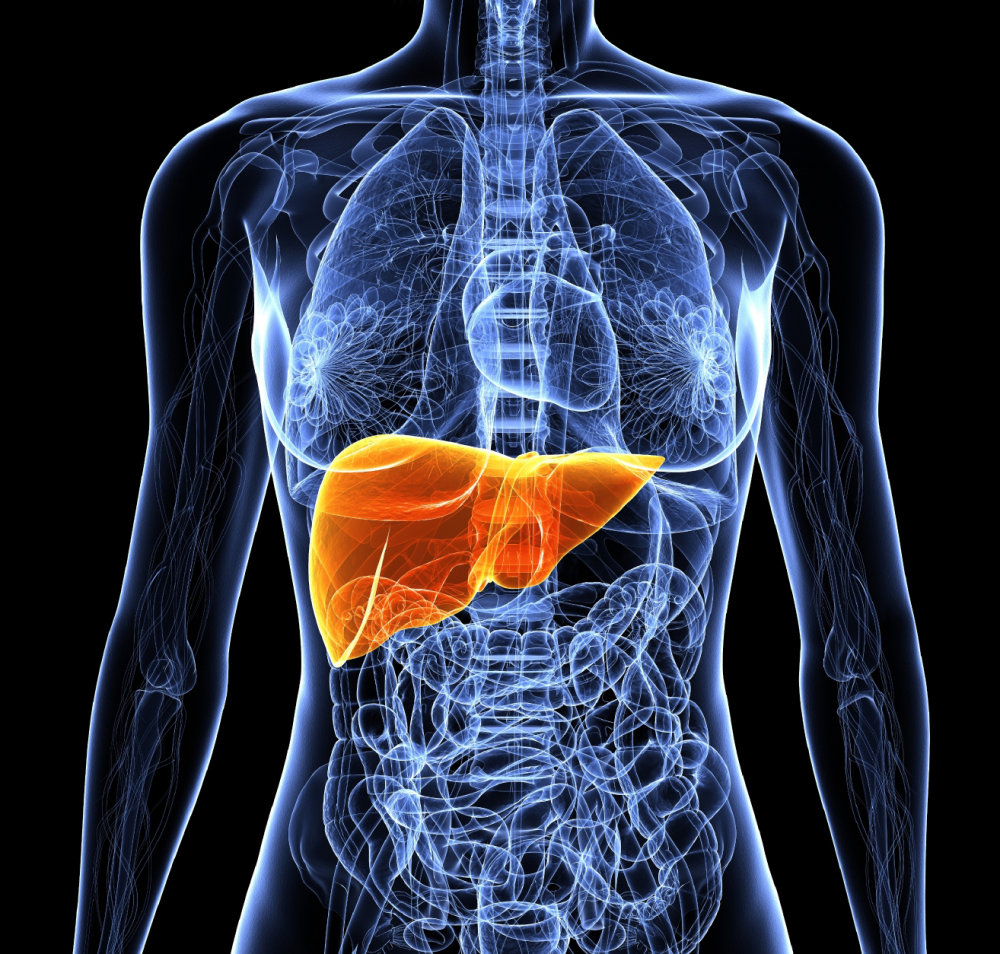
The liver weighs about 3 pounds and is the largest solid organ in the body. It performs many important functions, such as:

Manufacturing blood proteins that aid in clotting, oxygen transport, and immune system function,
Storing excess nutrients and returning some of the nutrients to the bloodstream,
Manufacturing bile, a substance needed to help digest food,
Helping the body store sugar (glucose) in the form of glycogen,
Ridding the body of harmful substances in the bloodstream, including drugs and alcohol,
Breaking down saturated fat and producing cholesterol.
Cirrhosis is a slowly progressing disease in which healthy liver tissue is replaced with scar tissue, eventually, preventing the liver from functioning properly. The scar tissue blocks the flow of blood through the liver and slows the processing of nutrients, hormones, drugs, and naturally produced toxins. It also slows the production of proteins and other substances made by the liver.

According to the National Institutes of Health, cirrhosis is the 12th leading cause of death by disease.

What Causes Cirrhosis of the Liver?

Hepatitis C, fatty liver, and alcohol abuse are the most common causes of cirrhosis of the liver in the U.S., but anything that damages the liver can cause cirrhosis, including:

Fatty liver associated with obesity and diabetes
Chronic viral infections of the liver (hepatitis types B, C, and D; Hepatitis D is extremely rare)
Blockage of the bile duct, which carries bile formed in the liver to the intestines, where it helps in the digestion of fats; in babies, this can be caused by biliary atresia in which bile ducts are absent or damaged, causing bile to back up in the liver. In adults, bile ducts may become inflamed, blocked, or scarred, due to another liver disease called primary biliary cirrhosis.
Repeated bouts of heart failure with fluid backing up into the liver Certain inherited diseases such as:

Cystic fibrosis, Glycogen storage diseases, in which the body is unable to process glycogen, a form of sugar that is converted to glucose and serves as a source of energy for the body. Alpha 1 antitrypsin deficiency, an absence of a specific enzyme in the liver. Diseases caused by abnormal liver function, such as hemochromatosis, a condition in which excessive iron is absorbed and deposited into the liver and other organs, and Wilson’s disease, caused by the abnormal storage of copper in the liver. Although less likely, other causes of cirrhosis include reactions to prescription drugs, prolonged exposure to environmental toxins, or parasitic infections.

Do People Who Drink A Lot of Alcohol Always Get Cirrhosis of the Liver?

Most people who drink large amounts of alcohol harm their livers in some way, but not all of these people get cirrhosis of the liver. Women who are heavy drinkers are at higher risk than men. People who have hepatitis B or hepatitis C are more likely to suffer liver damage from alcohol.

What Are the Symptoms of Cirrhosis of the Liver?
The symptoms of cirrhosis of the liver vary with the stage of the illness. In the beginning stages, there may not be any symptoms. As the disease worsens, symptoms may include:

1.Loss of appetite
2.Lack of energy (fatigue), which may be debilitating
3.Weight loss or sudden weight gain
4. Bruises
5. Yellowing of skin or the whites of eyes (jaundice)
6. Itchy skin
7. Fluid retention (edema) and swelling in the ankles, legs, and abdomen (often an early sign)
8. A brownish or orange tint to the urine
9. Light colored stools
10.Confusion, disorientation, personality changes
11. Blood in the stool
12. Fever

How Is Cirrhosis of the Liver Diagnosed?
Cirrhosis of the liver is diagnosed through several methods:

Physical exam. During a physical exam, your doctor can observe changes in how your liver feels or how large it is (a cirrhotic liver is bumpy and irregular instead of smooth).
Blood tests. If your doctor suspects cirrhosis, you will be given blood tests to find out if liver disease is present.
Other tests. In some cases, other tests that take pictures of the liver are performed, such as a computerized tomography (CT scan), ultrasound, or another specialized procedure called a radioisotope liver/spleen scan.
Biopsy. Your doctor may decide to confirm the diagnosis by taking a sample of tissue (biopsy) from the liver.
Surgery. In some cases, cirrhosis is diagnosed during surgery when the doctor is able to see the entire liver. The liver also can be inspected through a laparoscope, a viewing device that is inserted through a tiny incision in the abdomen.

What Complications Are Caused by Cirrhosis of the Liver?

Complications associated with cirrhosis of the liver include:

Variceal bleeding. Variceal bleeding is caused by portal hypertension, which is an increase in the pressure within the portal vein (the large vessel that carries blood from the digestive organs to the liver). This increase in pressure is caused by a blockage of blood flow through the liver as a result of cirrhosis. Increased pressure in the portal vein causes other veins in the body to enlarge (varices), such as those in the esophagus and stomach, to bypass the blockage. These varices become fragile and can bleed easily, causing severe hemorrhaging and fluid in the abdomen.
Confused thinking and other mental changes (hepatic encephalopathy). Hepatic encephalopathy most often occurs when cirrhosis has been present for a long time. Toxins produced in our intestines are normally detoxified by the liver, but once cirrhosis occurs, the liver cannot detoxify as well. Toxins get into the bloodstream and can cause confusion, changes in behavior, and even coma.

Other serious complications of cirrhosis of the liver include:

1. Kidney failure
2. Reduced oxygen in the blood
3. Diabetes
4. Changes in blood counts
5. Increased risk of infections
6. Excessive bleeding and bruising
7. Breast enlargement in men
8. Premature menopause
9. Loss of muscle mass
Most of these complications can initially be treated with medicines or dietary changes. Once treatment for these complications becomes ineffective, a liver transplant is considered. Almost all of the complications can be cured by liver transplantation; however, in many circumstances, careful management can reduce the harmful effects of cirrhosis and delay or even prevent the need for a liver transplant.

What Is the Treatment for Cirrhosis of the Liver?
Although there is no cure for cirrhosis of the liver, there are treatments available that can stop or delay its progress, minimize the damage to liver cells, and reduce complications.

The treatment used depends on the cause of cirrhosis of the liver.

For cirrhosis caused by alcohol abuse, the person must stop drinking alcohol to halt the progression of cirrhosis.
If a person has hepatitis, the doctor may prescribe steroids or antiviral drugs to reduce liver cell injury.
For people with cirrhosis caused by autoimmune diseases, Wilson’s disease, or hemochromatosis, the treatment varies. Medications may be given to control the symptoms of cirrhosis. Edema (fluid retention) and ascites (fluid in the abdomen) are treated, in part, by reducing salt in the diet. Drugs called diuretics are used to remove excess fluid and to prevent edema from recurring. Diet and drug therapies can help improve the altered mental function that cirrhosis can cause. Laxatives such as lactulose may be given to help absorb toxins and speed their removal from the intestines.

Liver transplantation may be needed for some people with severe cirrhosis.

How Can I Prevent Cirrhosis of the Liver?

There are several ways to reduce your risk of developing cirrhosis of the liver:

Don’t abuse alcohol. If you do drink alcohol, limit how much you drink and how often. Remember, it’s not only the heavy drinker who gets cirrhosis. If you drink more than 2 drinks a day, you are increasing your risk. A drink is a 5-oz glass of wine, a 12-oz can of beer, or a 1 1/2-oz portion of hard liquor.
Avoid high-risk sexual behavior such as unprotected sexual contact with multiple partners.
Be careful around synthetic chemicals, such as cleaning products and pesticides. If you come into contact with chemicals often, wear protective clothing and a facemask.
Get vaccinated against hepatitis B.
Eat a well-balanced, low-fat diet high in fruits and vegetables and take vitamins.
Maintain a healthy weight, because excess body fat can cause fatty liver, which may lead to liver disease.

Details of Lumpectomy procedure for breast cancer

Lumpectomy is a surgical procedure that involves removing a suspected malignant (cancerous) tumor, or lump, and a small portion of the surrounding tissue from a woman’s breast. This tissue is then tested to determine if it contains cancerous cells. A number of lymph nodes may also be removed to test them for cancerous cells (sentinel lymph node biopsy or axillary dissection). If cancerous cells are discovered in the tissue sample or nodes, additional surgery or treatment may be necessary. Women who undergo a lumpectomy normally receive radiation therapy (RT) for about six weeks following the procedure to kill any cancer cells that may have been missed with the removal of the tumor. Lumpectomy is also referred to as partial mastectomy, wedge resection, breast conserving therapy, wide excision biopsy, tylectomy, segmental excision, and quadrantectomy.

A few decades ago, the standard surgical procedure to treat breast cancer was radical mastectomy, which involves the complete removal of the breast, muscles from the chest wall and all the lymph nodes in the armpit. Lumpectomy replaced radical mastectomy as the preferred surgical treatment because lumpectomy is designed to leave the natural appearance and cosmetic quality of the breast mostly intact while removing the malignancy. In addition, studies have shown that lumpectomy with radiation treatment is as effective as mastectomy in treating breast cancer.

The size and location of the lump determine how much of the breast is removed during a lumpectomy. A quadrantectomy, for example, involves removing a quarter of the breast. Before surgery, a woman should discuss with her doctor how much of the breast will be involved so that she can know what to expect.

The size of the cancer in relation to the size of the breast is the main factor that a woman’s doctor considers to determine if a lumpectomy is an appropriate treatment. Additionally, some of the features of the cancer (if it is confined to one area of the breast and does not involve the skin or chest wall) help the doctor determine if lumpectomy is appropriate. Most women who are diagnosed with breast cancer, especially those who are diagnosed early, are considered good candidates for lumpectomy. However, under some circumstances, lumpectomy is not a recommended surgery for some women. These factors include the following:

  • Multiple cancers in separate locations of the same breast: This means that the potentially malignant tissue cannot all be removed from a single location, meaning that the breast may become drastically disfigured as a result of lumpectomy.
  • Prior lumpectomy with radiation: Women who have had a lumpectomy with radiation therapy to remove cancer cannot have more radiation; therefore, they usually need a mastectomy if they experience cancer again in the same breast.
  • Extensive cancer: Since a lumpectomy removes a specific area with malignancy, this surgery option would be inappropriate if the cancer has spread to other locations.
  • Problematic tumors: A tumor that is rapidly growing or has attached itself to a nearby structure, such as the chest wall or skin, may require surgery that is more extensive to remove the tumor.
  • Pregnancy: Radiation therapy, which usually follows the lumpectomy, can damage the woman’s fetus.
  • Large tumors: Lumpectomy to remove a tumor that is larger than 5cm in diameter may drastically disfigure the breast. However, in some cases, the size of the tumor may be able to be reduced with chemotherapy, or endocrine therapy, to a size that is more manageable with lumpectomy. Small breasts, especially those that contain large lumps, may also be drastically disfigured after lumpectomy.
  • Preexisting conditions that make radiation treatment more risky than usual: Radiation treatment may scar or damage connective tissue in women with collagen vascular diseases, such as scleroderma or lupus erythematosus.
  • Prior radiation to the chest area, for instance, to treat Hodgkin’s disease.

Some women may prefer the idea of a mastectomy to lumpectomy in order to feel more confident that they will not develop breast cancer again. Other women may not feel comfortable with radiation therapy or be able to commit to a series of radiation treatments, which may involve an unacceptable time commitment or extensive travel. In most situations, though, women can safely choose between lumpectomy and mastectomy.


Applications of ERCP in Cancer Treatments

Applications

ERCP is primarily used as a therapeutic procedure for treatment of diseases of

  • Bile duct

    • extraction of bile duct stones by balloon/basket (balloon/basket extraction)
    • by crushing large bile stones and retrieving them (mechanical lithotripsy)
    • relieving jaundice due to bile duct narrowing by dilating passage with balloon (balloon dilation)
    • treatment of bile duct infection (cholangitis) by draining pus by cutting open bile duct opening (biliary sphincterotomy) and placing stents /catheter in bile duct for free drainage of bile into duodenum ( plastic stent/ENBD placement)
    • stopping leakage of bile in bile duct injuries as a result of trauma and surgery
    • metallic stent placement for relief of itcing and jaundice in bile duct, pancreatic, gallbladder cancers (metallic stent placement)
  • Pancreas

    • relief of pain in chronic pancreatitis
    • by removal of pancreatic duct stones
    • dilating the narrowed pancreatic duct
    • placing of stents to facilitate drainage of infected fluid collection in pancreatitis (Pseudocyst drainage)

How is ERCP performed?

ERCP combines the use of X-rays and an endoscope, which is a long, flexible, lighted tube. Through the endoscope, the physician can see the inside of the stomach and duodenum, and inject dyes into the ducts in the biliary tree and pancreas so they can be seen on X-rays.

For the procedure, you will lie on your left side on an examining table in an X-ray room. You will be given medication to help numb the back of your throat and a sedative to help you relax during the examination. You will swallow the endoscope, and the physician will then guide the scope through your oesophagus, stomach, and duodenum until it reaches the spot where the ducts of the biliary tree and pancreas open into the duodenum. At this time, you will be turned to lie flat on your stomach, and the physician will pass a small plastic tube through the scope. Through the tube, the physician will inject a dye into the ducts to make them show up clearly on X-rays. X-rays are taken as soon as the dye is injected.

Radiation Therapy for Cancer

Radiation therapy uses high-energy radiation to kill cancer cells by damaging their DNA directly or create charged particles (free radicals) within the cells that can in turn damage the DNA. X-rays, gamma rays, and charged particles are types of radiation used for cancer treatment. The radiation used for cancer treatment may come from a machine outside the body (external radiotherapy), or it may come from radioactive material placed in the body near Tumour cells (brachytherapy) or injected into the bloodstream (I131 for thyroid cancers). A patient may receive radiation therapy before, during, or after surgery, depending on the type of cancer being treated. The type of radiation therapy may vary of the size of the Tumour, and location of the Tumour.

Intensity Modulated Radiotherapy uses hundreds of tiny radiation beam-shaping devices, called collimators, to deliver a single dose of radiation and modulating different doses to different areas of the Tumour. Intensity guided Radiotherapy using repeat imaging CT and PET scans to reduce dose to normal tissues and enhance dose to specific areas of Tumour. Stereotactic radiosurgery (SRS) can deliver one or more high doses of radiation to a small Tumour by using accurate image-guided Tumour targeting and patient positioning systems. Therefore, a high dose of radiation can be given without excess damage to normal tissue. Electron beams are also used to irradiate superficial tumors such as on skin while protons beams are shown to have fewer side effects than normal photons in treating deeper tissues. Hyperthermia has also been used in conjunction with radiation to improve the treatment outcomes in several cancers.

Pages:1...69707172737475...93