
Global Treatment Services Pvt. Ltd.

Global Treatment Services

Hypokalemia

Overview

Hypokalemia  is a condition in which the amount of potassium in the blood is lower than normal. Potassium is an essential electrolyte that plays a vital role in numerous bodily functions, including maintaining proper heart and muscle function, nerve conduction, and fluid balance. Treatment typically involves correcting potassium imbalances, addressing the underlying cause, and managing associated complications.

Symptoms

Common symptoms include:

  • muscle weakness
  • fatigue, cramps
  • palpitations
  • constipation

which can escalate to severe arrhythmias, paralysis, or respiratory failure if severe (<2.5 mEq/Lis less than 2.5 mEq/L

<2.5 mEq/L). Treatments typically involve increasing dietary potassium intake or taking oral supplements.

Causes

Potassium is an electrolyte (mineral). It is needed for cells to function properly. You get potassium through food. The kidneys remove excess potassium through the urinary system to keep a proper balance of the mineral in the body.

Common causes of low blood potassium include:

  • Medicines, such as diuretics (water pills), certain antibiotics (amphotericin B and chloroquine at toxic levels)
  • Diarrhea or vomiting
  • Eating disorders (such as bulimia)
  • Hyperaldosteronism
  • Cushing syndrome
  • Laxative overuse, which can cause diarrhea
  • Chronic kidney disease
  • Low magnesium level
  • Sweating
  • Genetic disorders, such as hypokalemic periodic paralysis, Bartter syndrome

Tests

Your health care provider will order a blood test to check your potassium level. The normal range is 3.5 to 5.1 mEq/L (3.5 to 5.1 mmol/L).

Other blood tests may be ordered to check levels of:

  • Glucose, magnesium, calcium, sodium, phosphorous
  • Thyroid hormone
  • Aldosterone

An electrocardiogram (ECG) to check the heart may also be done.

Complications

Severe hypokalemia can lead to life-threatening complications, including cardiac arrest, severe arrhythmias, rhabdomyolysis (muscle breakdown), and respiratory failure. 

Treatment

If your condition is mild, your provider will likely prescribe potassium supplement pills. If your condition is severe, you may need to get potassium through a vein (IV).

If you need diuretics, your provider may:

  • Switch you to a form that keeps potassium in the body. This type of diuretic is called potassium-sparing.
  • Prescribe extra potassium for you to take every day.

Eating foods rich in potassium can help treat and prevent low level of potassium. These foods include:

  • Avocados
  • Baked potato
  • Bananas
  • Bran
  • Carrots
  • Cooked lean beef
  • Milk
  • Oranges
  • Peanut butter
  • Peas and beans
  • Salmon
  • Seaweed
  • Spinach
  • Tomatoes
  • Wheat germ etc..

Taking potassium supplements can usually correct the problem. In severe cases, without proper treatment, a severe drop in the blood potassium level can lead to serious heart rhythm problems that can be fatal. In severe cases, life-threatening paralysis may develop, such as with hypokalemic periodic paralysis.

This information is for educational purposes only and does not constitute medical advice. If you suspect a low potassium level, consult a healthcare professional. further if you notice any major symptoms and require treatment abroad share your query via email  query@gtsmeditour.com and get a medical opinion and treatment plan or you can whatsapp us at +91 9164822440
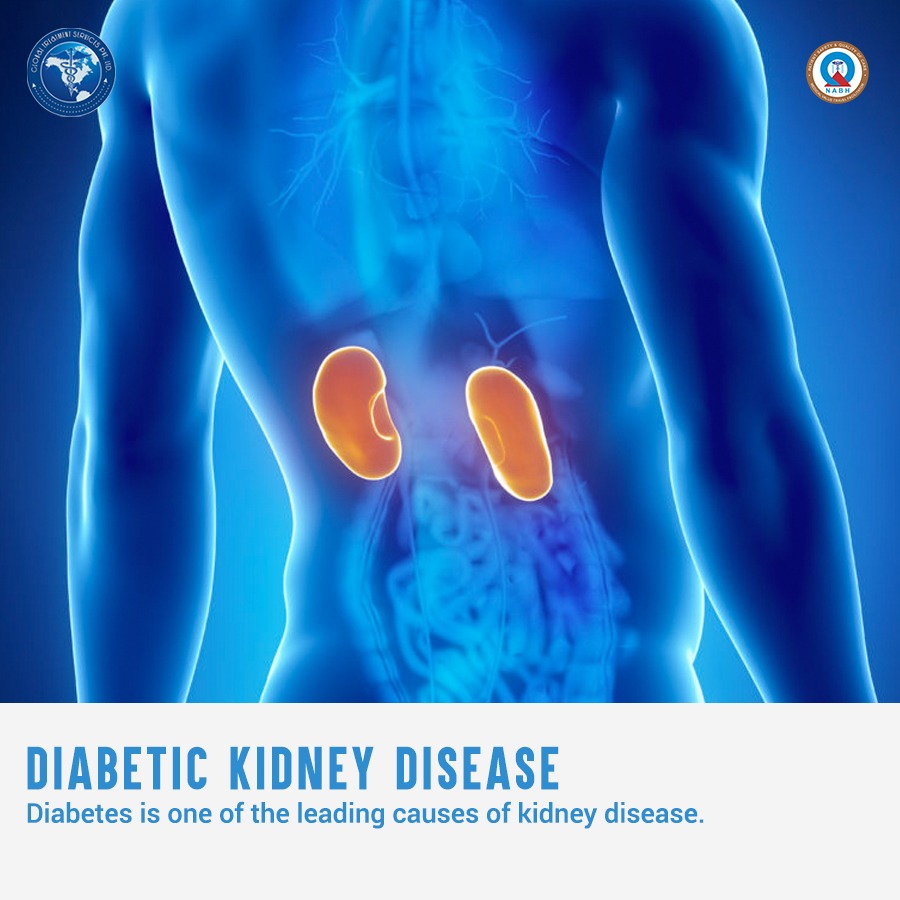
 

Daiabetic kidney disease

Kidney is the waste disposal system of our body.The main function of the kidneys is to remove waste from the blood and return the cleaned blood back to the body. But once kidney are damaged ,it is very difficult for them to repair themselves.Kidney failure means the kidneys are no longer able to remove waste and maintain the level of fluid and salts that the body needs.One cause of kidney failure is diabetes mellitus. Over time, the high levels of sugar in the blood damage the millions of tiny filtering units within each kidney. This eventually leads to kidney failure.
24.March7DKidney disease

Condition and symptoms

Healthy kidneys filter about a half cup of blood every minute, removing wastes and extra water to make urine. The urine flows from the kidneys to the bladder through two thin tubes of muscle called ureters, one on each side of your bladder. Your bladder stores urine. Urine leaves the bladder via the urethra, the thin tube that connects to the outside of the body.
Kidney damage from diabetes is called diabetic nephropathy.Kidneys affected by diabetic nephropathy no longer work efficiently, and trace amounts of protein appear in the urine (microalbuminuria). The retained water and salts cause the characteristic fluid retention and, frequently, the blood pressure begins to rise.
For people with diabetes, kidney problems are usually picked up during a check-up by their doctor. At first, the only sign is high protein levels in the urine, but this has no symptoms. It may be years before the kidneys are damaged severely enough to cause symptoms. Some of the symptoms may include fluid retention (oedema of the legs or face),fatigue.headache,nausea,vomiting.

Diagnosis

Testing may be the only way to know if you have kidney disease. Get checked if you have diabetes, high blood pressure, heart disease, or a family history of kidney failure. The sooner you know you have kidney disease, the sooner you can get treatment.

Diabetic nephropathy is diagnosed using a number of tests including:

  • Urine tests – to check protein levels. An abnormally high level of protein in the urine is one of the first signs of diabetic nephropathy.Urine test is done to check for albumin. Albumin is a protein that can pass into the urine when the kidneys are damaged.
  • Blood pressure – regular checks for raised blood pressure are necessary. Elevated blood pressure is caused by diabetic nephropathy and also contributes to its progression.
  • Blood tests – blood test that checks degree of kidney function, how well your kidneys are filtering your blood called GFR. GFR stands for glomerular filtration rate.
  • Biopsy – a small tag of tissue is removed from the kidney, via a slender needle, and examined in a laboratory. This is usually only performed when there is doubt about whether kidney damage is due to diabetes or to another cause.
  • Kidney ultrasound – enables the size of the kidneys to be imaged and allows the arteries to the kidneys to be checked for narrowing that can cause decreased kidney function.

Treatment

There is no cure for diabetic nephropathy. Treatment must become ever more aggressive as the kidneys deteriorate towards failure. Medical options include:

  • Prevention – this is the best form of treatment and includes good control of blood glucose levels and blood pressure.Important treatments for kidney disease are tight control of blood glucose and blood pressure. Blood pressure has a dramatic effect on the rate at which the disease progresses. Even a mild rise in blood pressure can quickly make kidney disease worsen. Four ways to lower your blood pressure are losing weight, eating less salt, avoiding alcohol and tobacco, and getting regular exercise.
  • Diet – some doctors use with macroalbuminuria is a low-protein diet. Protein seems to increase how hard the kidneys must work. A low-protein diet can decrease protein loss in the urine and increase protein levels in the blood. Never start a low-protein diet without talking to your health care team.
  • Medications – including medications to reduce high blood pressure, particularly angiotensin converting enzyme (ACE) inhibitors and angiotensin receptor blockers to curb kidney damage.
  • Dialysis – or artificial kidney treatment. End stage kidney failure is the failure of the kidney to function at all. Dialysis involves either shunting the patient’s blood through a special machine (haemodialysis) that helps remove the wastes while preserving water and salts, or removing wastes through fluid introduced into the abdomen (peritoneal dialysis). Dialysis is required several times every week for the rest of the person’s life.
  • Kidney transplant – a healthy donor kidney, obtained either from someone who has died or from a relative or friend, replaces the function of the diseased kidneys.
When diagnosed early, it may be possible to stop diabetic kidney disease and fix the damage. If the disease continues, however, the damage may not be reversible.It is critical to keep blood sugar as well controlled as possible. This not only helps the kidneys, but decreases the risk of other serious problems that can come from diabetes, such as blindness, heart attack and damage to the blood vessels and nerves.Once kidneys fail, dialysis is necessary. The person must choose whether to continue with dialysis or to get a kidney transplant.
For any queries regarding the procedure and treatment facilities,email us at query@gtsmeditour.com .Read about:Bariatric surgery